Published
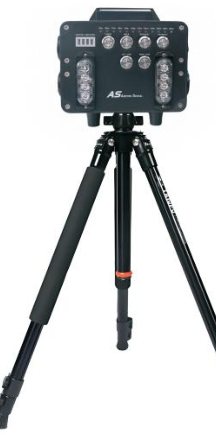
How to verify a portable road-intrusion radar alarm for your site
Turn the stated lane count and direct-approach detection distances into site-specific questions, a safe demonstration plan and written acceptance checks.
Read articleExplore practical questions for specifying protection, inspection and rescue equipment. We publish new articles here when the underlying information is ready.
Published
Turn the stated lane count and direct-approach detection distances into site-specific questions, a safe demonstration plan and written acceptance checks.
Read article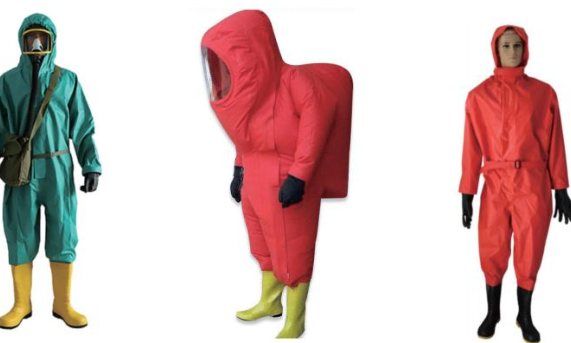
Published
Name the chemical and exposure route first, then compare exact-suit barrier evidence, the full wearer ensemble and decontamination terms.
Read article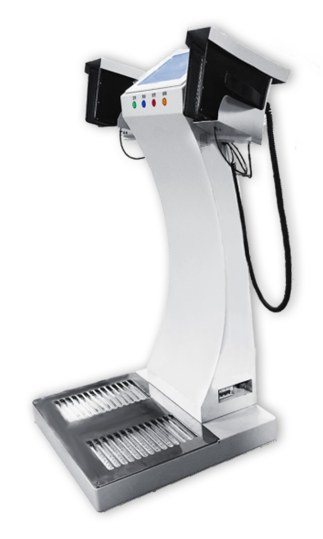
Published
Define the exit route and surfaces to screen, compare HFC and H2AMS04 configurations, then set site-specific alarm and acceptance checks.
Read articlePublished
Match the helmet model and configuration to the test report, then check the stated standard, threat, fit and delivered lot before acceptance.
Read articlePublished
Set the site conditions and test cases first, then record detections, direction alerts and false alarms before accepting a handheld drone detector.
Read article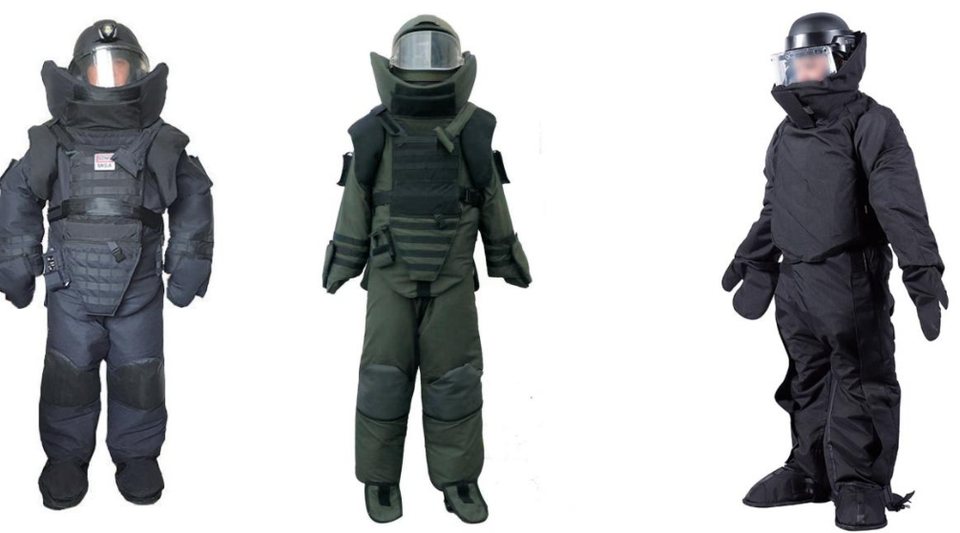
Published
Separate the operator’s task, required protection evidence and wearer fit before comparing EOD and explosive-search suit offers.
Read article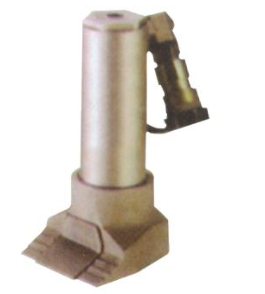
Published
Use the door and access conditions, tool ratings and verified hydraulic connections to request comparable rescue door opener offers.
Read article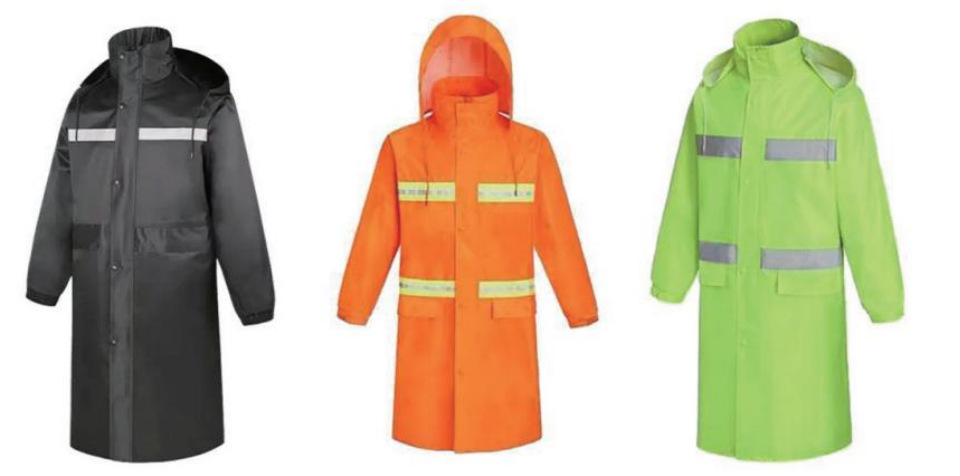
Published
A useful rainwear specification covers the traffic setting, rain performance, visible material layout, fit over duty clothing and care requirements.
Read article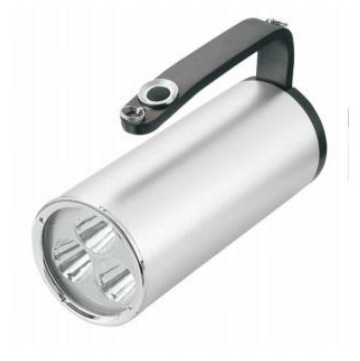
Published
Compare portable searchlights and duty flashlights by the light needed at the task, usable runtime, charging cycle and model-specific documents.
Read article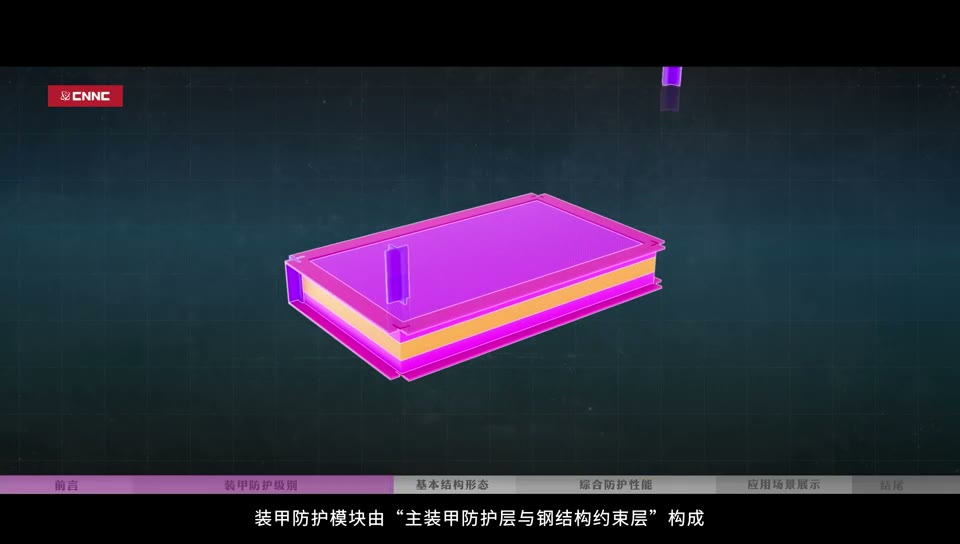
Published
A modular protection concept is only the start. Define the protected function, site interfaces, evidence, deployment plan and lifetime support before comparing proposals.
Read articleMatch the measurement task before comparing range, probes, alarms and records.
Read the guideBuild a complete field kit with suitable protection, measurement records, consumables and service.
Read the guideSpecify the complete robot, drone or monitoring-vehicle package for the response task.
Read the guideCompare frequency coverage, inspection functions, portability and reporting for the actual site.
Read the guideSpecify helmets, eyewear, protective clothing and hearing protection as a complete wearer configuration.
Read the guidePlan rescue tools, first-aid supplies, lighting and scene-control equipment together.
Read the guideCompare metal detection, liquid screening, X-ray imaging and inspection viewers by their intended task.
Read the guideBuild a destination-specific order around operating conditions, model documents and delivered cost.
Read the guideUse clear French specifications, country-level document checks and a realistic inland delivery plan.
Read the guideSpecify the destination, seasonal conditions, document language and final inland delivery point.
Read the guideBuild tender-ready specifications and check each country’s pre-shipment process before booking freight.
Read the guide