Published · Updated
1. Define what must keep working
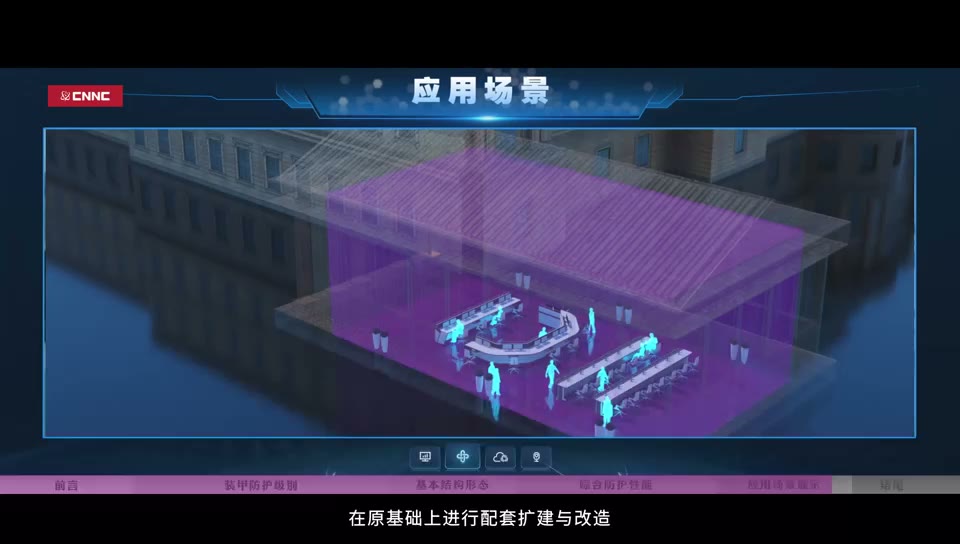
Begin with the people, equipment and activities the facility must support. Record the site, occupancy, required access, operating hours and any continuity requirements. A protective structure is a complete working environment, not just a panel or roof. The project brief should distinguish a new installation from an upgrade to an existing building and identify the decisions that remain open.
2. Specify the complete system boundary
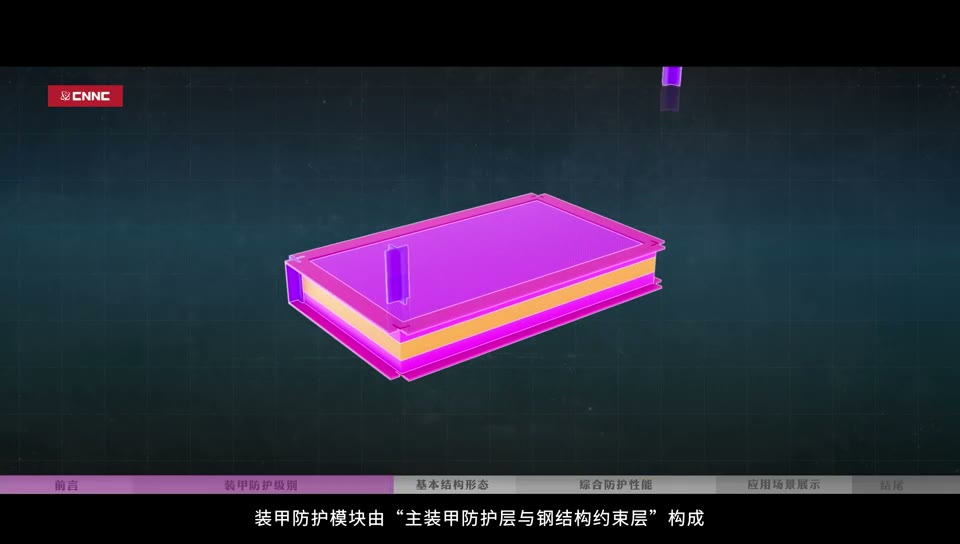
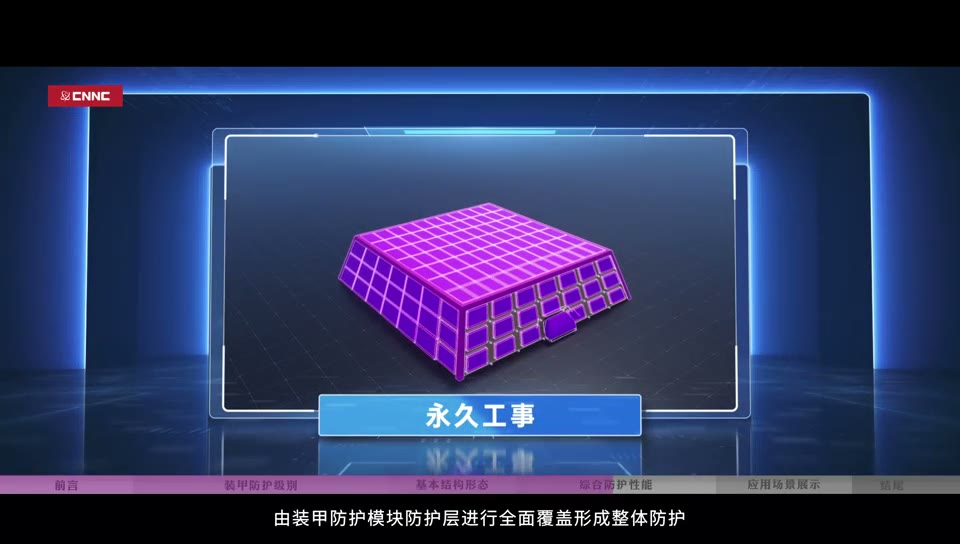
Ask each proposer to show what is included in the structural package and what relies on the existing site. Review the interfaces between modules, foundations, entrances, utilities, ventilation, drainage and emergency exits. Identify which drawings and site surveys are needed before a configuration can be confirmed. This makes offers comparable and exposes gaps that a concept animation cannot resolve.
3. Match protection claims to test evidence
A stated protection level is meaningful only with a defined test method, tested configuration and documented conditions. Request the applicable standard or protocol, the test report, the identity of the tested assembly and any limitations. Check whether joints, openings and installed details are covered by the same evidence. Do not transfer a result from one module to a different complete building without a documented technical assessment.
4. Compare installation and future changes
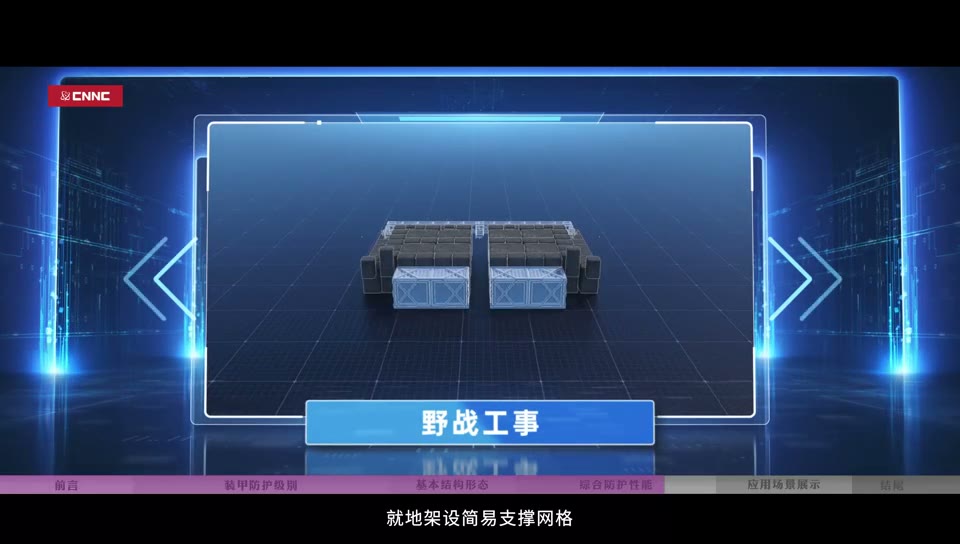
For a permanent site, confirm civil works, installation sequence and the impact on ongoing operations. For a relocatable concept, review transport dimensions, handling equipment, reassembly requirements and the condition of components after repeated moves. In both cases, ask how damaged parts are identified and replaced, how changes are recorded and who is responsible for inspection over the service life.
5. Make the enquiry reviewable
A useful enquiry contains the intended function, destination, site constraints, required documents, proposed acceptance method and a target delivery window. Separate confirmed requirements from points that need an engineering study. We can then compare the stated scope, documentation and project interfaces before discussing a suitable procurement route; no protection performance or supply availability should be assumed from a demonstration alone.