Published
Start with the exit-screening route
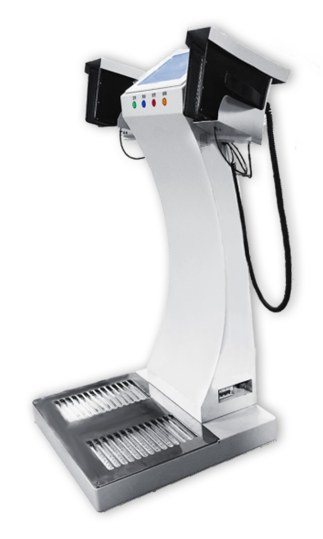
A hand and foot monitor belongs in a defined personnel-screening procedure. Mark the controlled-area exit, where protective clothing is removed, the monitoring position and the route after an alarm. Ask the radiation-protection lead which surfaces must be checked and whether a separate whole-body scan is required. A hand-and-foot station cannot be assumed to replace every other personnel check. Record the expected site background and the number of users so bidders can propose a workable station layout.
Compare the offered detection coverage
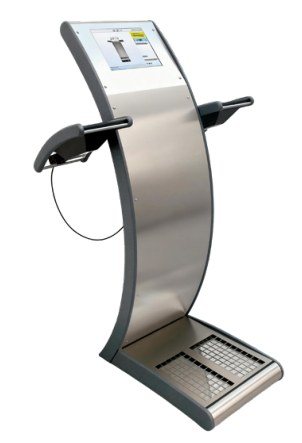
KAVROQ lists two relevant catalog models. HFC uses a plastic scintillator with a ZnS coating, has two hand detectors with an option for four, a 10.4-inch color display and a USB interface. H2AMS04 lists six detectors with plastic scintillator and ZnS(Ag) coating, a 12.1-inch touchscreen, and screening of palms, backs of hands, soles and clothing. These listed parts do not by themselves establish sensitivity or throughput. Ask each bidder for a coverage diagram, the exact supplied detector count and the radiation types and measurement ranges supported by the offered configuration.
Define the alarm and verification method
Have the site's radiation-protection team specify the action levels and response procedure. For each proposed monitor, request the calibration and functional-check instructions, background-check method, alarm settings, measurement time and result-recording options. During acceptance, test the operator sequence with the intended footwear and workwear, check that the displayed result identifies the screened area, and document the response to an alarm. Compare recorded results with the agreed site procedure rather than using an assumed universal threshold.
Make the quotation ready for commissioning
Give every bidder the same exit-route drawing, target surfaces, users per shift and local power and data needs. Ask for the exact model and detector configuration, installation footprint, supplied accessories, operating instructions, calibration documents, training and maintenance terms as distinct quotation items. At commissioning, match the delivered station and its settings to the accepted offer. Send KAVROQ this brief so we can discuss which listed configuration fits the screening point and what to include in the quotation.