Published
Describe the approach before comparing range
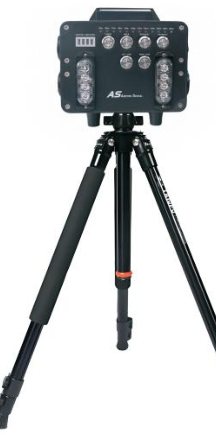
KAVROQ lists a portable radar road-scene intrusion alarm for vehicles approaching a traffic-incident work area. The catalogue states a 1–4 lane configuration and detection distances of at least 200 m for large vehicles and 150 m for small vehicles under direct-approach conditions. Start your brief with the number of lanes to monitor, the approach direction, the planned device position and the workers’ locations. Add curves, junctions, barriers or other site features that may change the vehicle path. A stated distance alone does not establish performance for every angle or layout.
Ask what the stated distance covers
Request the exact offered model and the test conditions behind each distance: vehicle class, approach angle, lane arrangement, device position and any relevant site limits. Ask the supplier to identify which parts of the proposed layout are covered and which need separate confirmation. Keep the catalogue’s direct-approach qualification with the figures when comparing offers; do not apply the figures automatically to crossing, turning or obstructed approaches. If the planned site differs from the stated condition, request a demonstration or written evidence for the proposed arrangement.
Check the warning reaches the people who must act
The detection point is only one part of the work procedure. Specify where workers will be, who must receive an alert, what action follows and how the team will acknowledge or reset the warning. Ask the supplier to state the exact alarm method, operating requirements, power arrangement and any supported remote alert or repeat indication for the offered configuration. These details are not stated in the catalogue entry, so record them as confirmation items rather than assumed features.
Agree a safe, repeatable acceptance check
Before a demonstration, agree the site layout, vehicle categories, approach paths, repeated test runs, expected indication and how missed or unwanted alerts will be recorded. Use a test method approved for the site and keep test vehicles out of live danger areas. Set acceptance criteria before the demonstration, then record the result for each lane and approach condition. Confirm dimensions, base weight, packing volume, reflective-material requirements, site approval and required markings in the offer; the KAVROQ catalogue lists these as items to confirm.
Put the same evidence into every quotation request
Send each supplier the same lane count, site sketch, approach paths, worker positions and acceptance checks. Request the offered model, accessories, operating instructions, demonstration scope and written answers to the open configuration questions. Keep the accepted evidence with the purchase record and check the delivered equipment against the quoted model and configuration. Share your site brief with KAVROQ to discuss the listed portable radar alarm and the information needed for a comparable quotation.