Published
Start with the operator’s task
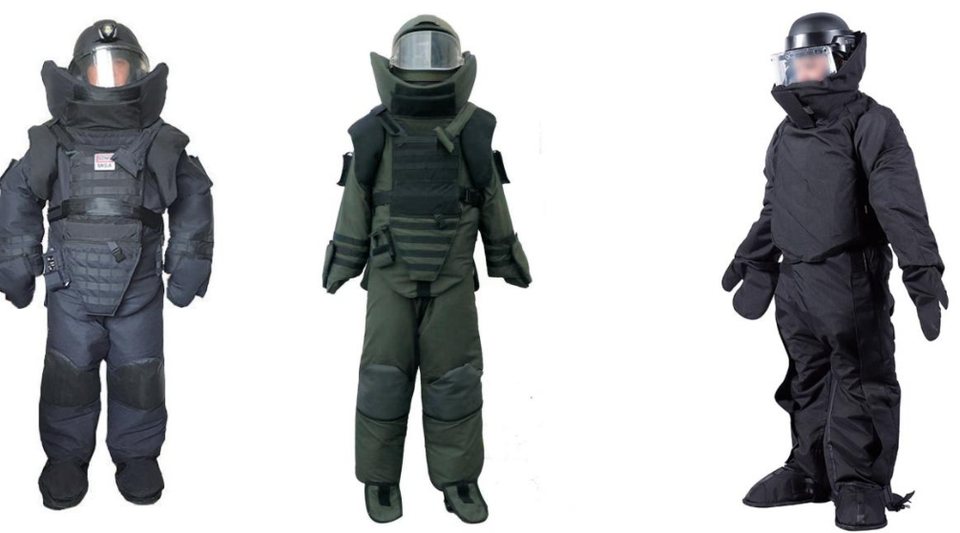
KAVROQ lists dark and green EOD suit versions and an explosive-search suit version. State whether the team will search and inspect, or perform bomb-disposal procedures, then list the hazards and body areas the specification must address. The version name and colour identify catalog choices; the required protection follows the task and the test evidence for the exact model.
Build a model-specific evidence matrix
For each offered suit, request the exact model and configuration, protected components, test report, standard edition, test scope and instructions. For a bomb-disposal suit where NIJ Standard 0117.01 is required, compare the documented fragmentation, impact, flame, blast-overpressure, optics and ergonomics results against the tender. That standard concerns public-safety bomb suits; a catalog photograph or a series-level claim does not establish compliance for a particular offered model.
Trial the complete wearer configuration
Ask for the size and adjustment range and an operator trial with the actual helmet, visor, gloves, footwear and communications equipment proposed. Record field of view, movement, hand access, donning, heat burden and the time needed for the intended task. List which components are supplied, which can be replaced, and the cleaning, storage and inspection instructions. Compare complete configurations rather than suit shells alone.
Send a quotation that can be checked at receipt
Give every supplier the same task, hazard list, quantity, size distribution, destination and required documents. Require the quoted model, included components, relevant test evidence, operator instructions, replacement-part list and training scope on separate lines. At receipt, match the labels and delivered components to the accepted offer. Send KAVROQ this brief to discuss the EOD and explosive-search suit configurations for your project.