Published
Describe the screening task
State where the equipment will be used, what containers staff will inspect, how many items move through the point and whether checks happen at a fixed bench or in a portable workflow. A liquid-container detector is a different purchase from a metal detector or baggage X-ray system. For an airport, identify the applicable national aviation security programme before using aviation-specific requirements.
Match the device form to the containers
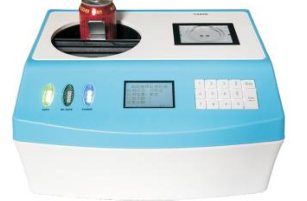
The KAVROQ catalogue lists benchtop, portable and handheld versions in its liquid screening detector series. The listed portable detector is specified for plastic and glass containers with capacity of at least 50 ml; its catalogue dimensions are 214 × 50 × 75 mm, weight 0.2 kg and display OLED. If your containers fall outside those stated materials or capacity, request written model-specific confirmation and a demonstration before making them a tender requirement.
Check the exact evidence and approval route
Put the required detection scope, applicable performance standard and approving authority in the specification. Where an airport tender requires an ECAC/EU performance standard, compare the exact offered model and configuration with the current ECAC list for the relevant equipment category. ECAC states that its evaluation applies only to the configurations listed and is not itself equipment approval or certification; the appropriate national aviation security authority remains responsible for approval.
Official references: ECAC — Common Evaluation Process of security equipment
Agree a representative demonstration
Before comparing prices, agree a demonstration using representative container materials, sizes and normal site conditions under the procedure approved for your location. Record the exact model and configuration, the result for each agreed test item, repeatability, alarm interpretation, reset process and time per check. Ask the supplier to identify included accessories, power requirements, operating conditions, records, training and maintenance.
Request comparable written offers
Send every supplier the same brief: checkpoint type, container materials and capacities, expected flow, fixed or portable use, required evidence and approvals, quantity, destination, demonstration criteria, accessories, manuals, training, warranty and service expectations. Ask suppliers to answer against the exact quoted model. This makes gaps visible before a tender is awarded or equipment is accepted.